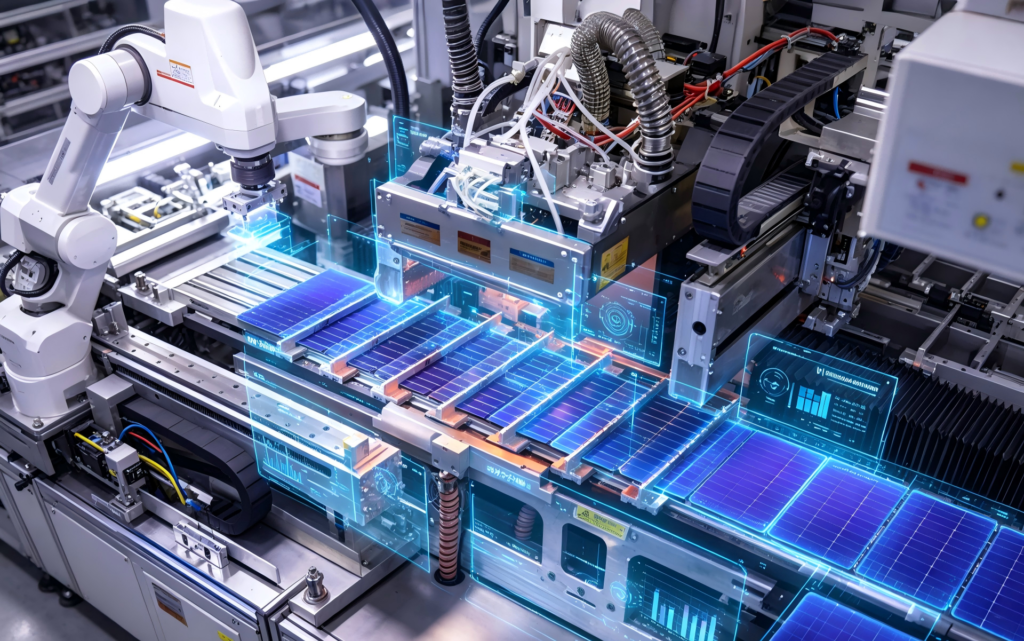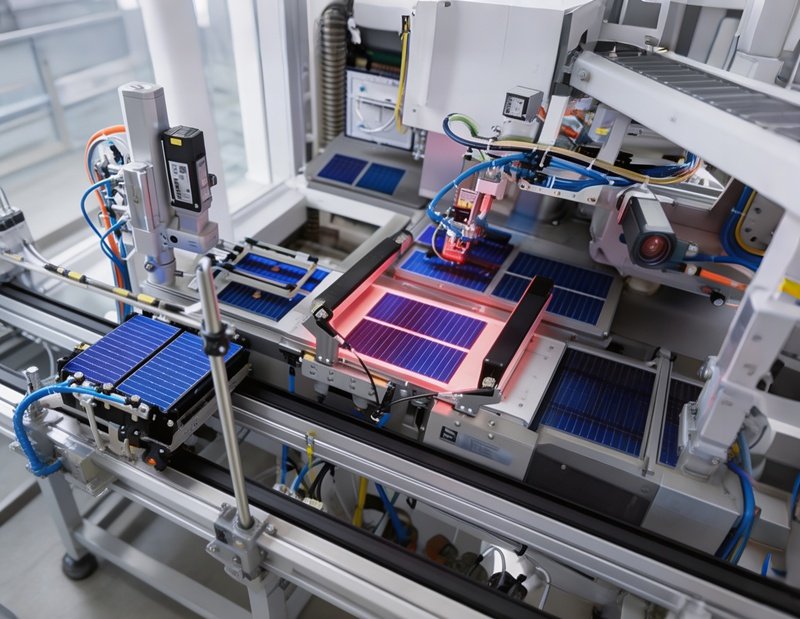
With the growing global demand for high-efficiency and highly reliable photovoltaic modules, hot spot control technology has become a key development direction in the PV manufacturing industry. Ultra-Low Temperature Hot Spot Technology reduces localized temperature rise during module operation, enhancing module safety and improving long-term power generation stability.
Modern photovoltaic modules are typically designed to have a service life of more than 25 years. However, during actual operation, factors such as partial shading, cell mismatch, and uneven current distribution may cause localized high-temperature areas inside the module, known as hot spots.
Hot spot issues can lead to:Increased module temperature ;Reduced power output; Accelerated aging of encapsulation materials; Decreased module reliability Therefore, improving hot spot control capability has become a critical development trend for the next generation of high-reliability photovoltaic modules.

Ultra-Low Temperature Hot Spot Technology effectively reduces localized temperature rise during module operation by optimizing cell structure, electrical design, and manufacturing processes. This technology enables PV modules to achieve: More uniform temperature distribution; Lower thermal stress; Stronger environmental adaptability;
More stable long-term power generation performance Especially in challenging application environments such as high-temperature regions, desert areas, and large-scale utility solar power plants, excellent hot spot control capability plays a critical role in extending module lifespan and improving long-term reliability.
The manufacturing process of photovoltaic modules plays a critical role in determining the reliability of the final product. Among them, solar cell stringing, as one of the key processes in module production, directly affects cell interconnection quality, resistance losses, and thermal stability. High-precision photovoltaic stringing machines can achieve: Stable welding quality; Reduced contact resistance; Lower current losses; Enhanced cell interconnection reliability
With the rapid development of high-efficiency cell technologies such as TOPCon, HJT, and BC, advanced stringing equipment has become an essential foundation for manufacturing high-reliability photovoltaic modules.
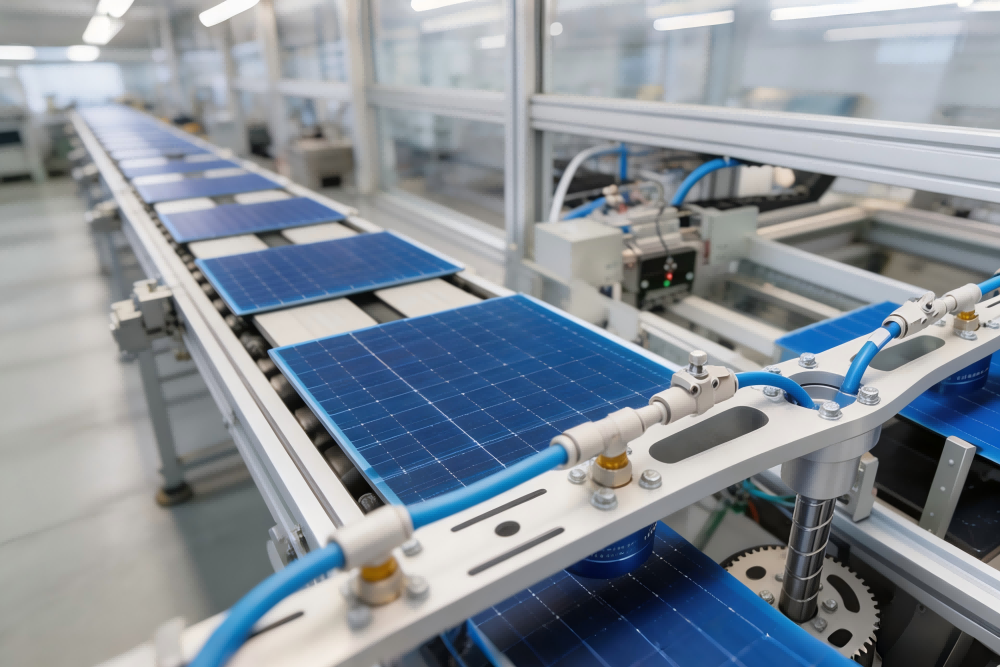
According to relevant research published in Solar Energy, hot spot effects caused by partial shading and current mismatch are among the key factors affecting the reliability of photovoltaic modules.
To address the impact of hot spot effects on the long-term performance of PV modules, Masterwatts utilizes advanced thermal management technologies and optimized circuit design to effectively reduce thermal stress during module operation, enhancing module reliability and environmental adaptability.
By integrating Ultra-Low Temperature Hot Spot Protection Technology, multi-busbar (MBB) design, and N-type TOPCon 3-cut large-size cell technology, Masterwatts PV modules achieve improved current distribution, enhanced thermal stability, and stronger hot spot resistance. Through optimized encapsulation processes, the modules maintain stable power output under complex application conditions, providing efficient and reliable long-term power generation solutions for global photovoltaic projects.